Common problems with flat access for Highbury carpet cleaners
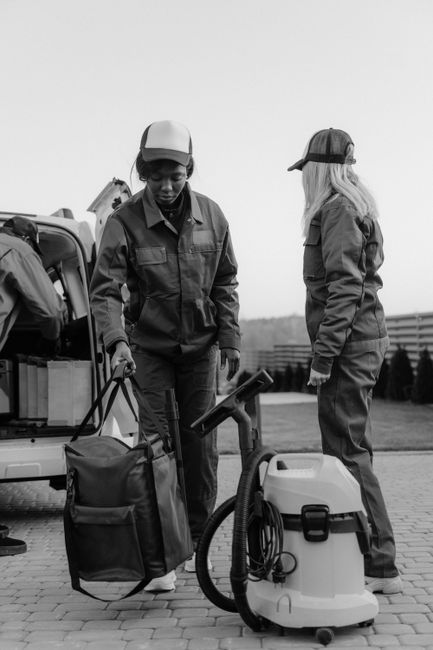
Flat access sounds simple on paper. In real life, though, it can make carpet cleaning a little fiddly. If you live in a mansion block, a converted terrace, or a modern apartment in Highbury, the issues are often not about the carpet itself; they are about getting equipment in, water where it needs to go, and the clean finished without disturbing neighbours or damaging communal areas. That is exactly why understanding the common problems with flat access for Highbury carpet cleaners matters before anyone turns up at the door with hoses, machines, and a schedule that is already tighter than it looks.
This guide breaks down the everyday access problems cleaners run into, why they affect results and pricing, and what you can do to make the visit smoother. If you are planning a deeper clean, this will help you avoid the awkward stuff: the blocked lift, the key fob that has not been set up, the parking bay that vanishes by 10am, and the "oh, we didn't know there were two flights of stairs" moment. Let's face it, nobody wants that little scramble on the landing.
Quick takeaway: flat access issues usually come down to four things - moving equipment, reaching the property, protecting shared spaces, and giving the cleaner enough time to work properly. A few simple checks beforehand can save a lot of stress.
Table of Contents
- Why this matters
- How flat access affects a carpet clean
- Key benefits of planning access properly
- Who needs this guidance
- Step-by-step guidance
- Expert tips for better results
- Common mistakes to avoid
- Tools, resources and recommendations
- Law, compliance, standards, or best practice
- Options, methods, and comparison
- Case study or real-world example
- Practical checklist
- Conclusion
- Frequently asked questions
Why Common problems with flat access for Highbury carpet cleaners Matters
Access is not a minor detail. It affects how long the job takes, how much setup is needed, how safely equipment can be carried, and whether the clean can be completed in one visit. In a flat, those extra few minutes at the beginning and end can add up fast. A cleaner may need to navigate communal entry doors, tight stairwells, lift restrictions, or awkward parking arrangements before they even reach the carpet.
For the customer, the impact is practical. If access is poor, the appointment can run late, the drying time may be extended, and some methods may become less suitable. For example, a large hot water extraction machine is fine in many homes, but if the property is on the fourth floor with no lift, a lighter setup may be the smarter option. That is not a weakness; it is just sensible planning.
It also matters for neighbours and building managers. Shared hallways, narrow staircases, and communal carpets can be easily marked if equipment is dragged carelessly. A good cleaner will want to protect these areas, but they can only do so if they know what to expect. Truth be told, most access issues are avoidable with a bit of communication.
For Highbury residents, this is especially relevant because the local housing stock varies so much. You might have a sleek new-build with controlled entry, then next door a period conversion with a steep stair run and no lift. Same postcode, very different day for the cleaner.
If you want to understand the wider service approach behind careful, well-planned work, the team's about us page gives a helpful sense of how they approach jobs in a customer-friendly way.
How Common problems with flat access for Highbury carpet cleaners Works
Here is the plain-English version. A carpet cleaner needs to get themselves, their tools, and often water-fed or extraction equipment into the flat with minimal disruption. That sounds easy until you hit the real-world details:
- Entry access: someone has to open the main door, buzz them in, or provide a code.
- Vertical access: stairs or lifts affect how equipment is carried and which machine is best.
- Internal movement: long hallways, tight turns, or delicate flooring can slow the work down.
- Parking and unloading: if the van cannot stop close by, every piece of kit becomes a small mission.
- Communal considerations: shared spaces need protection from drips, dirt, and noise.
A cleaner will usually ask a few questions before the appointment. Is there a lift? Is there visitor parking? Are there stairs inside the flat? Can heavy items be moved beforehand? Those questions are not nosiness. They help the cleaner choose the right equipment and allow enough time to do the job properly.
For instance, if a flat has a narrow staircase and a small landing, the cleaner may bring a compact machine instead of a bulkier one. That can mean a slightly different cleaning pace, but it often means better access and less hassle for everyone. And yes, the machine size matters more than most people think.
The cleaning method also matters. Steam carpet cleaning and hot water extraction typically need room for hoses, drying airflow, and a safe route between the van and the property. If access is difficult, the cleaner may need to alter the setup, split the job into sections, or spend more time on logistics than on the carpet itself. That is the bit customers sometimes do not see.
For service detail on method choices, you can compare the main approach on the steam carpet cleaning page and the broader carpet cleaning service information.
Key Benefits and Practical Advantages
Planning flat access properly does not just reduce inconvenience. It changes the quality of the whole appointment.
- Faster setup: less time is wasted figuring out entry, parking, or routes through the building.
- Better cleaning choice: the cleaner can bring the right equipment first time.
- Lower disruption: neighbours are less likely to hear a lot of back-and-forth or see repeated trips up and down stairs.
- Reduced risk of damage: shared walls, bannisters, and flooring are easier to protect when access is known in advance.
- Smoother drying and finishing: there is more time to place airflow, check results, and leave the area tidy.
Another benefit is cost control. If a cleaner arrives and discovers unexpected access barriers, the job can take longer than scheduled. That does not always mean a price change, but it can lead to a less efficient visit. Clear access details help avoid avoidable charges or delays. If you are comparing options, the company's pricing and quotes information is a sensible starting point.
There is also the reassurance factor. People often feel a bit uneasy about letting equipment in and out of a building they share with others. A clean, organised process feels calmer. You notice it straight away. No faff, no confusion, no machine sitting in the hallway like an awkward guest.
Who This Is For and When It Makes Sense
This topic is useful for anyone living in a flat, but it is especially relevant if your building has any of the following:
- multiple floors without lift access
- tight communal stairwells
- secure entry doors or fob access
- limited parking outside
- shared hallways or communal carpet
- restricted moving-in or service times set by a managing agent
It also matters if you are booking a specialist service rather than a simple surface clean. Deep cleaning, stain treatment, pet odour removal, or upholstery work can involve more equipment and more time. That makes access planning even more important. A one-room top-up is one thing; a full flat clean with an awkward stairwell is another entirely.
Commercial customers in converted office flats or mixed-use buildings should be just as careful. Shared entrances, loading limits, and building rules can complicate the visit. In those cases, commercial carpet cleaning information may be more relevant than a domestic assumption that "someone will just let them in." That rarely works as smoothly as hoped.
When it makes sense to think ahead? Ideally, before you book. But if the appointment is already arranged, the next best time is now.
Step-by-Step Guidance
If you want the clean to go well, work through access in a practical order.
- Confirm the building entry process. Check whether the cleaner needs a key, a code, a buzzer, or someone to meet them at the door.
- Measure the route, not just the room. Stairs, landings, and hallway bends can be the real limiting factor, not the carpet size.
- Identify parking options. Think about loading bays, visitor bays, pay-and-display, and whether a van can stop close enough to unload safely.
- Clear the access path. Move prams, shoes, recycling, bikes, or anything else that narrows the route.
- Flag building restrictions early. Some blocks have quiet hours, no-vacuum windows, or specific rules for contractors.
- Tell the cleaner about fragile surfaces. That might include old timber stairs, freshly painted walls, or soft communal flooring.
- Arrange pets and residents. A barking dog, a toddler asleep nearby, or a flatmate working from home can change the plan fast.
- Do a final walk-through before the appointment. Ten minutes of preparation can save twenty minutes of awkwardness later. Probably more.
One small but useful habit: take a quick look at the route from the entrance to the carpet area the evening before. You will spot little things you stop seeing when you live with them every day. A narrow side table. A heavy umbrella stand. A door that only opens fully if the bin bag is moved. Annoying? Yes. Useful to catch early? Absolutely.
Expert Tips for Better Results
Here is where the tiny details make a real difference.
1. Share the awkward bits, not just the easy ones
Tell the cleaner about the lift being small, the entry buzzer being unreliable, or the parking bay being on the wrong side of the road. People tend to mention the obvious stuff and forget the frustrating bit that actually matters. The cleaner will thank you for it.
2. Keep the route as short as possible
If the machine has to be carried up several flights, every extra item adds strain and time. Sometimes it is worth staging furniture in advance so the cleaner can focus on the floor, not the obstacle course.
3. Ask what equipment is likely to be brought
Different flats need different setups. A compact machine may be ideal for difficult access, while a larger extraction unit can be efficient if the route is straightforward. There is no one-size-fits-all answer, which is why experienced cleaners ask questions first.
4. Be realistic about timing
A flat clean with difficult access may need a broader appointment window. That is not a red flag. It is just the maths of the job. If the cleaner is rushing because access has taken longer than expected, the finishing stage can suffer.
5. Think about the drying stage too
Access is not only about getting in. After the clean, the cleaner may need to leave doors ajar, position airflow, or avoid blocking communal routes. If you are expecting guests later that day, plan a bit of breathing room. You will notice the difference.
If you are also dealing with a difficult mark, specialist services like stain removal or pet stain odour removal may need even more careful access planning because the treatment can be more targeted and time-sensitive.
Common Mistakes to Avoid
Most access problems are small on their own. Together, they become the reason a booking feels messy. These are the mistakes worth avoiding.
- Assuming a lift means easy access. If the lift is tiny, slow, or shared with strict building rules, it may not help much.
- Forgetting about parking. "There should be space" is not the same as having a workable place for a van.
- Not warning about stairs. A cleaner carrying equipment needs to know if there are multiple flights or awkward turns.
- Leaving clutter in the access route. Even a narrow box of shoes can become a trip hazard.
- Booking too tightly around other plans. If you have a delivery, school run, or video call, allow a bit of slack.
- Ignoring communal rules. Some buildings are stricter than people expect, especially in managed blocks.
A common one is simply underestimating how long the clean will take once access is included. It sounds minor until someone is carrying hoses through a long corridor while the lift is out of service. Not ideal.
Another mistake is expecting all flat cleans to be identical. They are not. A ground-floor maisonette with a straight entrance is a different job from a top-floor flat with narrow stairs and no parking nearby.
Tools, Resources and Recommendations
You do not need specialist gear to help with access. Mostly, you need a bit of organisation and the right information to hand.
- Building entry details: buzzer number, door code, concierge instructions, and any time restrictions.
- Parking notes: where a van can stop, how long it can stay, and whether any permit is required.
- Simple measuring tape: useful for checking stair widths or tight door frames if the property is awkward.
- Furniture sliders or felt pads: handy if items need moving to create clear access, though only use them if appropriate for your flooring.
- Phone camera: a quick photo of the route, stairs, or parking spot can save a lot of back-and-forth explaining.
- Notebook or message thread: keep access instructions in one place instead of scattered across texts and memory.
For safety and reassurance, it is worth checking the company's policies before booking. The health and safety policy, insurance and safety, and terms and conditions pages are all sensible reading if you want to understand how a professional provider handles risk and expectations.
If you care about ethical and environmental practice too, the recycling and sustainability page gives a useful sense of how waste and materials are handled. It is not the first thing most people think about when a stairwell is in the way, but still, it matters.
Law, Compliance, Standards, or Best Practice
For flat access, the main point is not legal complexity; it is good practice. That said, cleaner and customer alike should think carefully about safety, shared spaces, and any building rules in place. In the UK, contractors working in residential buildings are generally expected to act reasonably, avoid damage, and reduce hazards. That means protecting communal flooring, keeping walkways clear, and not creating unnecessary obstruction.
Where building management rules exist, they should be followed. Some blocks require advance notice, booking of lifts, use of protective mats, or contractor sign-in. These are not just annoying little hoops. They help keep everyone safe and keep the job moving smoothly.
Insurance is worth mentioning too. If equipment needs to be carried through communal spaces, a professional provider should be able to explain how they manage risks and what is covered. If a customer asks questions about this, that is fair enough. In fact, it is a sensible habit.
There is also an accessibility angle. Some residents cannot easily move items, open heavy entry doors, or deal with stairs. A good service should take that seriously and adapt where possible. The accessibility statement is useful if you want to understand how the business approaches access and inclusion more generally.
For payments and administration, having a clear process helps avoid last-minute friction too. If access changes the plan, it is better when the company's payment and security approach is straightforward and transparent.
Options, Methods, and Comparison Table
Different flat access setups suit different approaches. The right choice depends on the building, the staircase, the lift, and the amount of carpet being cleaned.
| Access situation | Likely challenge | Practical approach | Best fit |
|---|---|---|---|
| Ground-floor flat with direct entry | Usually minimal, maybe parking only | Standard setup, quick arrival, easy unloading | Most cleaning methods work well |
| Flat with lift access | Lift size, waiting times, building rules | Compact equipment, clear time window, lobby protection | Steam cleaning or extraction if equipment fits |
| Top-floor flat with stairs only | Carrying kit up multiple flights | Lighter gear, more time, careful route planning | Methods that can be set up efficiently |
| Managed block with restricted access | Entry codes, booking rules, concierge timings | Advance coordination and precise arrival timing | Any method, if access is arranged properly |
| Flat with no nearby parking | Longer unloading and carrying distance | Extra setup time and more careful scheduling | Best when the appointment window is flexible |
To be fair, the biggest mistake is assuming the method matters more than the access. Often it is the opposite. A perfectly good cleaning method can become awkward if there is nowhere to park and no sensible route inside.
For delicate items like rugs, curtains, sofas, and upholstery, the access conversation becomes even more important. These services often involve carrying items around or moving between rooms, so related pages like rug cleaning, curtain cleaning, sofa cleaning, and upholstery cleaning can help you plan the wider job.
Case Study or Real-World Example
Picture a typical Highbury flat in the late morning. The cleaner arrives a few minutes early, only to find the front door buzzer is labelled differently from the one given in the booking notes. Meanwhile, parking is limited to a short window on the street, and the lift is available but small. Nothing dramatic. Just enough friction to slow the start.
Instead of rushing, the cleaner waits for the correct entry, uses a compact machine, and protects the hallway before bringing anything heavy in. The customer has already moved shoes, a planter, and a hallway bench. The carpet clean goes ahead without scratched walls, blocked routes, or a neighbour complaining about noise in the corridor. Fairly boring, actually. Which is the point.
Now compare that with a different flat where nobody confirms whether there are stairs to the second level. The cleaner turns up expecting a simple lift route, discovers a split-level arrangement, and has to carry equipment a lot further than planned. The job can still be done, but it takes longer, feels less tidy, and may require more breaks. Same service, very different experience.
The lesson is straightforward: access preparation is not glamourous, but it is one of the biggest predictors of a smooth visit. The cleaner cannot guess the building layout from the street. Nobody can, really.
Practical Checklist
Use this before your appointment. It is simple, but it saves hassle.
- Confirm the exact flat number and entry details.
- Check whether the cleaner needs a code, key, or meet-and-greet.
- Tell them about stairs, lifts, or narrow landings.
- Share parking restrictions and best stopping points.
- Move clutter from the route to the carpeted room.
- Warn about delicate walls, old flooring, or tight corners.
- Keep pets secure and children clear of equipment.
- Allow a realistic time window for setup and drying.
- Ask about the most suitable cleaning method if access is awkward.
- Have your booking and contact details ready in case plans change.
Expert summary: the best flat access is the kind nobody notices. If the cleaner can get in, set up safely, work without interruption, and leave without drama, the job usually feels easy for everyone. That is the sweet spot.
Get a free quote today and see how much you can save.
Conclusion
Common access problems in flats are not usually serious on their own, but they can snowball if nobody plans ahead. A missing parking space, a slow lift, a narrow staircase, or a forgotten access code can all eat into the time and energy available for the clean itself. Once that happens, the carpet is no longer the only thing the team is dealing with.
The good news is that most of these issues are easy to handle with a few clear details shared in advance. The more the cleaner knows about the building, the smoother the visit tends to be. And if your flat does have quirks - and many Highbury flats do - that is fine. It just needs a bit of honest planning and a realistic schedule.
Get the access right, and the cleaning part becomes much easier. Simple as that, really.
Frequently Asked Questions
What are the most common flat access problems for carpet cleaners?
The most common issues are difficult entry, no lift, narrow stairs, limited parking, and unclear building instructions. Shared entrances and communal rules can also slow things down.
Do carpet cleaners need lift access for flats?
Not always, but lift access can make the job easier and faster. If there is no lift, the cleaner may need lighter equipment or more time for setup and carrying.
How should I prepare my flat before the cleaner arrives?
Clear hallways, move small obstacles, secure pets, and make sure access codes or key arrangements are ready. It also helps to mention any tricky corners, stairs, or parking limits in advance.
Can a carpet clean still be done in a top-floor flat?
Yes, usually. The main difference is that access may take longer and the cleaner may choose a more suitable setup. The job is still very doable in many cases.
Will flat access problems change the price?
They can, depending on the amount of extra time or equipment needed. It is best to check the pricing and quotes information before booking so expectations are clear.
What if my building has strict entry rules?
Tell the cleaner as early as possible. If there are concierge checks, contractor sign-in rules, or limited access hours, those details can usually be worked around with a bit of notice.
Is steam carpet cleaning suitable for flats?
Often yes, but the access route matters. Steam cleaning needs sensible setup space and a safe path for equipment. A small lift or long stair route may mean a different arrangement is better.
What if there is nowhere to park near my flat?
Say so before the appointment. The cleaner may need to allow extra time for unloading or choose a different arrival plan. Parking is one of those things that can look minor and then become the whole story.
Should I move furniture before the cleaner comes?
Only if it is safe and agreed in advance. Moving small items can help open up the route, but heavy furniture should be handled carefully. If in doubt, ask first.
Are communal hallways protected during the clean?
A professional cleaner should take care to protect shared areas, avoid drips, and reduce the chance of marks or damage. If your building has particular rules, it is smart to mention them beforehand.
What if I live in a converted house with split levels?
That can still work fine, but it should be explained clearly. Split-level layouts can create more carrying and more turns, so the cleaner needs the real layout rather than a rough guess.
How do I know if my access setup is suitable?
Ask yourself whether someone can enter easily, carry equipment safely, and reach the carpet without squeezing through clutter or breaking building rules. If the answer feels uncertain, it is worth discussing it before the booking.
If you want to explore the full service range after sorting access, the main carpet cleaning page is a good place to start, and the team's contact page is there when you are ready to ask about your specific flat setup. Sometimes a quick message saves everyone a lot of back-and-forth.