Health and Safety Policy for Highbury Carpet Cleaners
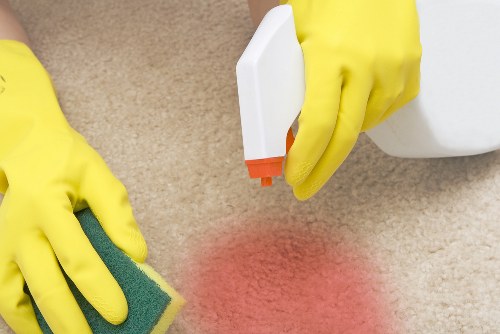 At Highbury Carpet Cleaners, health and safety is a core part of how we operate every day. This health and safety policy sets out the standards we follow to protect our staff, clients, visitors, and anyone else who may be affected by our work. Our aim is to provide safe carpet cleaning services while reducing risks linked to equipment, cleaning agents, manual handling, slips, and the working environment.
We are committed to maintaining a workplace where safe practices are expected, understood, and followed. This applies to all carpet cleaning activities, including domestic and commercial jobs, stain treatment, upholstery care, and use of extraction machinery. Every team member is responsible for supporting a safe working culture, and management ensures that procedures, training, and supervision are in place to make this possible.
Our policy is based on prevention, awareness, and responsibility. We believe many incidents can be avoided by planning work properly, checking conditions before starting, and using equipment in the correct way. By following this approach, our carpet cleaners can deliver quality results while keeping safety at the centre of each task.
 The company will carry out risk assessments for routine and non-routine work. These assessments help identify hazards such as wet floors, trailing cables, lifting injuries, exposure to cleaning products, and poor ventilation. Where risks are identified, suitable control measures will be introduced. This may include using warning signs, improving housekeeping, adjusting work methods, or restricting access to treated areas until they are safe.
Training is a key part of our safety management. All carpet cleaning staff are trained in the correct use of machines, safe handling of chemicals, safe lifting techniques, and emergency procedures. Refresher training is provided when processes change or when additional support is needed. Supervisors are expected to check that work is being carried out in line with our standards and that any concerns are dealt with promptly.
 Cleaning materials and detergents are selected with care, and safety data information is reviewed before use. Products are stored securely and labelled clearly to prevent misuse or accidental contact. Staff are expected to wear appropriate personal protective equipment where required, such as gloves, footwear with good grip, and eye protection when handling stronger substances. Careful product control is essential to maintaining a safe carpet cleaning operation.
Manual handling is another important area of focus. Moving vacuum units, water tanks, furniture, and other items can create strain if done incorrectly. Employees are encouraged to assess loads before lifting, use team lifting where needed, and take time to move equipment safely. Whenever possible, we use practical methods to reduce physical effort and avoid unnecessary risk.
We also give close attention to the condition of the work area. Before cleaning begins, staff should check for fragile items, trip hazards, unsuitable flooring, electrical dangers, and any signs that the space may not be ready for safe work. If a hazard cannot be controlled immediately, the job should be paused until it is safe to continue. Good housekeeping is expected throughout every project, both during and after cleaning.
In the middle of our operations, we also recognise the importance of emergency readiness. Staff are trained to respond calmly to incidents such as spills, chemical exposure, cuts, equipment faults, or slips. First aid provision is maintained in line with the needs of the business, and any accident, near miss, or unsafe condition must be reported and reviewed. This helps us improve our carpet cleaning safety policy over time.
Electrical safety is treated with particular care because many carpet cleaning machines depend on power connections. Equipment must be inspected before use, and damaged leads, plugs, or machines must be removed from service immediately. Staff must not use electrical items with wet hands or in a way that creates avoidable danger. Where appropriate, sockets, connections, and cable routes should be managed to reduce the chance of contact with moisture or tripping.
We expect every member of staff to behave responsibly and to take safety seriously. Horseplay, rushing, ignoring instructions, or bypassing controls is not acceptable. Managers lead by example and encourage open communication so that concerns can be raised early. A strong safety culture depends on teamwork, honesty, and consistent standards across all jobs.
 The company regularly reviews this policy to make sure it remains effective and relevant. Changes in equipment, cleaning methods, materials, or work practices may require updates to procedures and training. Our commitment is to keep improving how we manage risk while delivering dependable results. Health and safety for carpet cleaners is not a one-time task but an ongoing responsibility.
Environmental conditions also matter. Poor lighting, excessive clutter, extreme temperatures, and limited airflow can affect safe working. Where practical, staff should improve conditions before work starts or report issues that make safe performance difficult. If a site presents unusual hazards, the job may need additional controls or a revised method of work.
Visitors, clients, and other people nearby must also be protected. Staff should explain any temporary restrictions, keep work areas marked when floors are wet, and ensure that children, pets, or unauthorised persons do not enter unsafe zones. This is especially important when using hoses, portable machinery, or treatments that need drying time.
 At Highbury Carpet Cleaners, we believe a well-managed health and safety policy supports better service, fewer accidents, and greater confidence in our work. By following safe procedures, using the right equipment, and maintaining awareness at all times, we create a cleaner and safer environment for everyone involved. This policy will remain under review and will be updated whenever needed to reflect best practice and operational changes.