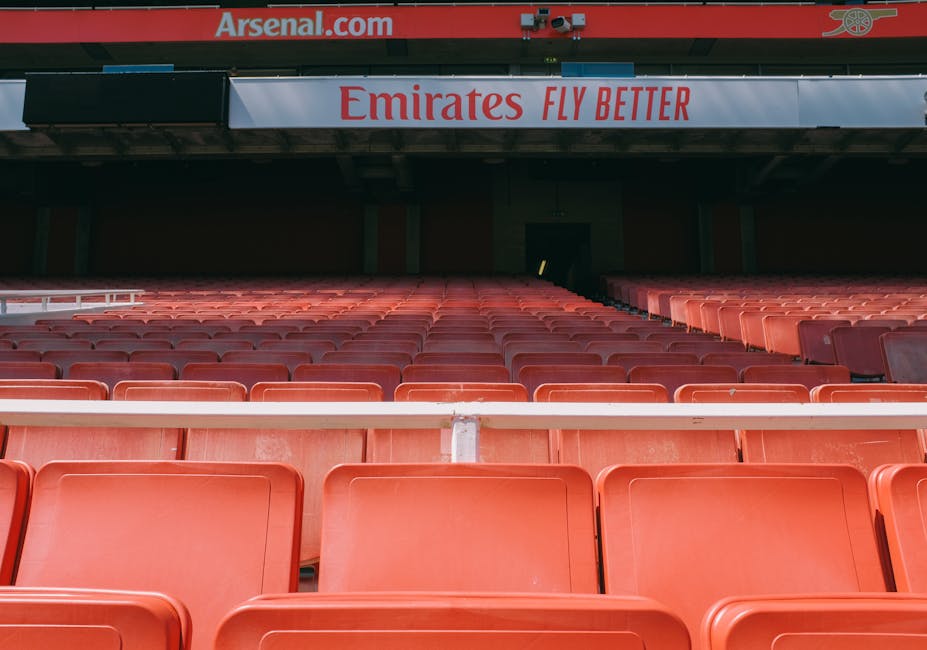
Emirates Stadium Match Day Cleaning Guide for Carpets
Match day at Emirates Stadium is a special kind of busy. There's the early arrival rush, the muddy shoes after a wet London walk, the drinks spill near the concourse, and the general hum of people moving in every direction. If you're responsible for carpets in that environment, the work is not just about looking tidy. It's about keeping surfaces safe, presentable, and ready for the next wave of visitors. This Emirates Stadium match day cleaning guide for carpets breaks down what good carpet care looks like before, during, and after a game, with practical steps you can actually use.
Truth be told, carpets in event-heavy spaces take a beating. They trap grit, absorb moisture, and show traffic patterns quickly. Get the cleaning wrong and the damage builds quietly. Get it right and the space feels calmer, cleaner, and more professional without anyone really noticing the effort behind it. That's usually the goal, isn't it?
In this guide, you'll find how match day carpet cleaning works, which methods make sense, what to avoid, and how to plan for the kind of footfall that sports venues and nearby hospitality spaces experience. Where useful, we'll also point you toward relevant pages on services, standards, and practical support.
- Why match day carpet cleaning matters
- How the cleaning process works
- Benefits and practical advantages
- Who needs this and when it makes sense
- Step-by-step guidance
- Expert tips for better results
- Common mistakes to avoid
- Tools, resources and recommendations
- Law, compliance, standards and best practice
- Options and method comparison
- Case study or real-world example
- Practical checklist
- Conclusion
- Frequently asked questions
Why Emirates Stadium Match Day Cleaning Guide for Carpets Matters
Emirates Stadium match day cleaning guide for carpets matters because carpeted areas in a live event setting are under constant pressure. People are walking fast, carrying drinks, wiping boots, queueing in clusters, and moving in and out between indoor and outdoor spaces. Even on a dry day, dust and debris build up quickly. On a wet day, carpets can be left with damp patches, muddy trails, and a smell that is hard to ignore by the evening.
In a stadium environment, carpets do more than soften the look of a space. They affect first impressions, acoustic comfort, slip risk, and the general feeling of control in a busy venue. A stained or damp carpet can make a polished concourse or hospitality area feel neglected, even if everything else is spotless. Let's face it, people notice that sort of thing straight away.
There's also the practical side. Regular match day cleaning helps reduce premature wear, protects fibres, and makes deep cleaning less disruptive later on. In other words, you're not only cleaning for today. You're preserving the carpet for the long haul, which is where the real savings usually sit.
For venues and contractors working around the stadium, this matters in a very human way too. Staff have less to worry about, visitors have a better experience, and the space stays more manageable in those tense pre-kickoff minutes when everyone seems to need everything done at once. If you've ever watched a floor team working against the clock at 2:30pm, you'll know the feeling.
How Emirates Stadium Match Day Cleaning Guide for Carpets Works
Good match day carpet cleaning is a mix of planning, timing, and the right method for the right area. It is rarely about one miracle product. More often, it is about a system that supports the flow of the day.
At a practical level, the process usually works in three stages: pre-match preparation, active day maintenance, and post-match recovery. Each stage has its own rhythm. You do not treat a busy hospitality lounge the same way you treat a corridor, and you definitely do not treat a fresh spill the same way you handle settled ground-in dirt.
Pre-match, teams typically vacuum high-traffic zones, remove any loose grit, inspect for existing stains, and put protection measures in place where needed. During the match, the priority shifts to rapid response: spot-cleaning, drying up spills quickly, and keeping entrances and transition areas from tracking dirt deeper into the carpet pile. After the event, the focus turns to extraction, stain treatment, deodorising where necessary, and a more complete reset.
The exact tools depend on the carpet type and the venue layout. Commercial carpet cleaning in stadium settings often uses a combination of low-moisture cleaning, hot water extraction, rotary agitation for some surfaces, and dedicated stain removal methods for targeted marks. If you need a more general overview of carpet care, you may also find the main carpet cleaning service page useful, especially if you're comparing routine upkeep with more intensive treatment.
Timing is everything. A carpet that is cleaned too late can stay damp longer than expected. A carpet that is cleaned too aggressively, too often, can wear out faster. The best systems balance speed with restraint. Not glamorous, maybe, but very effective.
Key Benefits and Practical Advantages
The obvious benefit is that carpets look better. But the real value of match day carpet care goes beyond appearance. The gains are practical, operational, and reputational all at once.
- Cleaner presentation: Fresh-looking carpets support a professional atmosphere in hospitality areas, offices, corridors, and access routes.
- Reduced slip and trip risk: Prompt drying and debris removal help keep walkways safer, especially where wet shoes or drinks are involved.
- Less long-term damage: Regular maintenance stops grit from acting like sandpaper on fibres.
- Better indoor environment: Clean carpets usually mean less lingering odour and fewer visible dust patches.
- Faster turnaround: A structured cleaning plan makes it easier to reset the venue after a busy event.
- Stronger visitor confidence: People may not comment on clean carpets, but they absolutely notice when carpets are badly marked.
There is also a less obvious advantage: a good carpet maintenance plan helps staff work more calmly. When a team knows where equipment is stored, which product is used on which stain, and who handles urgent spills, the whole shift feels less chaotic. And on a match day, calm is worth a lot.
For venues juggling multiple textile surfaces, combining carpet care with related services such as upholstery cleaning or sofa cleaning can also help maintain a consistent look across lounges, suites, and waiting areas. It sounds small, but that visual consistency matters.
Who This Is For and When It Makes Sense
This guide is for anyone responsible for carpeted areas connected to Emirates Stadium or similar high-footfall venues. That includes cleaning supervisors, facilities managers, event contractors, hospitality teams, and commercial cleaners who are asked to keep things presentable under pressure.
It also makes sense for nearby businesses that feel the match-day surge. Pubs, restaurants, hotels, private suites, office buildings, and retail units around the stadium often face the same problem on game day: more traffic, more dirt, less time. In those spaces, even a small spill can become a nuisance if nobody responds quickly.
You may need a match day carpet plan if:
- your space receives a sharp spike in visitors around kickoff and full time;
- you have carpeted entrance areas, corridors, lounges, or offices;
- you deal with damp footwear, food spills, or drink traffic;
- you want to reduce deep-cleaning frequency without letting standards slip;
- you manage areas that need to look polished for VIP or hospitality guests;
- you're comparing routine maintenance with a more specialist commercial carpet cleaning approach.
If you're only cleaning once in a while, you'll likely see faster wear and more stubborn staining. If you're cleaning too often with the wrong method, you can also create problems. The sweet spot is usually a measured, responsive routine. Nothing fancy. Just smart.
Step-by-Step Guidance
Here is a practical way to manage carpets before, during, and after a match day. The exact details will vary by site, but this sequence works well in busy venue settings.
1. Inspect the carpet before guests arrive
Walk the main routes first. Look for existing stains, frayed edges, damp patches, and any grit gathered near doors or matting. A five-minute inspection can prevent a much bigger problem later. You will notice the same spots tend to collect dirt every time, usually near entrances, bottlenecks, or refreshment points.
2. Vacuum high-traffic zones thoroughly
Use a commercial vacuum with enough suction for dense footfall areas. Pay close attention to entryways, queue zones, and corners where dust settles unnoticed. If the carpet is heavily textured, use slower passes rather than rushing. Speed is useful, but only up to a point.
3. Remove loose soil before it becomes embedded
Grit is one of the biggest causes of visible wear. Once it works into the fibres, it is harder to remove and more likely to abrade the carpet. That is why dry soil removal comes before wet cleaning. Always. Skipping this step is a classic mistake.
4. Treat spots immediately
Use the correct stain product for the spill. Drinks, food, grease, and muddy footprints each need a different approach. A general-purpose cleaner can help in some situations, but it is not a cure-all. Blot, do not scrub aggressively, because over-rubbing often spreads the mark or damages the pile.
5. Use controlled moisture where needed
For larger soiling, low-moisture methods or hot water extraction may be appropriate, depending on fibre type and drying time. In a match-day setting, drying speed matters a lot. A carpet that stays damp for hours can create an unpleasant odour and a practical headache for staff.
6. Protect cleaned areas
Where possible, use temporary barriers, signage, or altered foot traffic routes to keep people off freshly cleaned sections. This is especially useful in narrow corridors or entrances where everyone naturally funnels through the same spot.
7. Check again after peak traffic
A second inspection after the main rush is worth the effort. Small marks often appear only after the crowd has passed through. That's the moment to deal with them, before they dry in and become tomorrow's headache.
8. Finish with a post-match reset
After the event, carry out a fuller clean where the schedule allows. This may include extraction, deodorising, edge detailing, and targeted stain removal. If you need help with stubborn marks, a dedicated stain removal service can be especially useful for trouble spots that keep returning.
One practical note: if a spill happens near a drinks service area, handle it fast. A wet patch near a queue line has a way of turning into five wet patches very quickly. Human nature, really.
Expert Tips for Better Results
There are a few small habits that make a big difference on event days. They are not complicated, but they are often missed when teams get stretched.
- Match the method to the fibre: Wool, synthetic blends, and heavily patterned commercial carpets do not all respond the same way. Test first where appropriate.
- Focus on entry points: Most dirt enters the building, it doesn't appear by magic. Door zones deserve the most attention.
- Use colour-coded cloths and tools: This helps teams avoid cross-contamination between spill areas and general cleaning kit. Simple, but effective.
- Keep a spill kit nearby: A bottle of the right cleaner, absorbent cloths, gloves, and a scraper can save a lot of time.
- Work from outside to inside: This stops spills from spreading wider than necessary.
- Allow real drying time: If the floor still feels slightly tacky underfoot, it is not done yet.
Here's a small but useful truth: the best cleaning often looks boring. No drama, no fancy foam, just a quiet, methodical approach. That's usually what keeps carpets looking respectable on a packed match day.
If odours are becoming an issue in hospitality or back-of-house carpeted areas, it may be worth looking at odour-focused treatment principles even when the source is not pet-related. The name of the service is specific, but the approach to neutralising lingering smells can still be relevant in the right context.
Common Mistakes to Avoid
Most carpet problems on match day are preventable. The trouble is that busy teams sometimes repeat the same avoidable errors, usually because they are under pressure and trying to move quickly.
- Waiting too long to treat spills: The longer a spill sits, the deeper it travels and the harder it is to lift.
- Using too much water: Over-wetting can cause slow drying, patchiness, and sometimes odour.
- Scrubbing aggressively: This can damage fibres and spread stains further into the carpet.
- Ignoring the edges and corners: Dirt gathers there surprisingly fast, and then people suddenly act surprised later.
- Cleaning without a drying plan: A clean carpet that stays damp is still a problem.
- Using the wrong chemical: Strong products are not automatically better. They can leave residues or affect colour.
- Forgetting about foot traffic patterns: Repeated routes need more frequent attention than low-use areas.
Another common problem is starting with the wet clean before the dry soil is removed. That tends to turn loose grit into a muddy paste. Not ideal, as you can imagine. If you can only do one thing well, start dry and finish carefully.
Tools, Resources and Recommendations
You do not need an enormous kit to manage carpets properly, but you do need the right kit. The most useful tools are usually the ones that save time without making the job more complicated.
| Tool or resource | What it helps with | Best use case |
|---|---|---|
| Commercial vacuum | Dry soil removal and daily upkeep | Pre-match and post-match traffic areas |
| Microfibre cloths | Spot blotting and surface wiping | Fresh spills and touch-ups |
| Neutral carpet detergent | General cleaning without harsh residue | Routine maintenance on compatible carpets |
| Extraction machine | Deep cleaning and soil removal | Post-event recovery and periodic maintenance |
| Absorbent pads | Fast spill control | Drink accidents and wet patches |
| Traffic cones or temporary signage | Protecting drying areas | Freshly cleaned walkways |
For longer-term upkeep, it can help to combine routine carpet maintenance with services such as steam carpet cleaning when a deeper reset is needed. Steam, or hot water extraction as it is often called, can be effective in the right setting, though it needs enough drying time and should be matched to the carpet's construction.
If you are planning a wider refresh of a hospitality suite, you may also look at rug cleaning for decorative pieces, or curtain cleaning if dust and odour are carrying into the room. Small details, yes. But they add up.
And if you want a simple, transparent way to plan costs, the pricing and quotes page can help you understand how a quote is usually put together before you commit to anything.
Law, Compliance, Standards, or Best Practice
For a stadium or any large venue, carpet cleaning is not only a cleanliness issue. It sits alongside broader responsibilities around workplace safety, hygiene, and keeping access routes in a reasonable condition. The exact obligations will depend on the setting, the type of space, and who controls it, so it is wise to approach compliance carefully rather than assume one rule fits every case.
In practical terms, best practice usually means the following:
- keeping walkways clear and reducing slip hazards;
- using suitable cleaning products for the material being cleaned;
- following safe handling guidance for chemicals;
- making sure staff know what to do if a spill creates a hazard;
- recording cleaning schedules where that helps with oversight;
- using appropriate personal protective equipment where required.
If you are commissioning cleaning work for a venue, it also makes sense to check insurance, safety processes, and contractor controls. Those things are not exciting, I know, but they matter when you are asking people to work in a busy public environment. You can review the relevant operational details on the insurance and safety page, along with the health and safety policy if you need to understand how procedures are handled.
For venues that care about waste reduction and material choice, it may also be useful to look at recycling and sustainability. Cleaning work can create waste from cloths, packaging, and spent materials, so a sensible disposal approach is part of the bigger picture.
Finally, if you are organising work on behalf of a venue, always make sure the scope, access arrangements, and expectations are clear in advance. A few minutes of planning saves a lot of back-and-forth later. Almost always.
Options, Methods, or Comparison Table
There is no single best carpet cleaning method for every match-day situation. The right choice depends on how dirty the carpet is, how soon the area needs to reopen, and what type of carpet you are dealing with.
| Method | Best for | Advantages | Limitations |
|---|---|---|---|
| Dry vacuuming | Loose dirt and daily upkeep | Fast, low disruption, essential first step | Won't remove embedded stains or deep soil |
| Spot cleaning | Fresh spills and local marks | Quick response, targeted treatment | Not suitable for widespread contamination |
| Low-moisture cleaning | Busy areas needing faster drying | Useful for live venues, less downtime | May not be enough for heavy soiling |
| Hot water extraction | Deeper periodic cleaning | Strong soil removal, fresh finish | Needs drying time and careful setup |
| Specialist stain treatment | Specific marks like drinks or grease | More precise, better on stubborn spots | Requires correct product choice and know-how |
For many venues, the answer is a combination rather than one method alone. Vacuum first, spot treat immediately, then schedule deeper cleaning at the right time. That layered approach is often the most realistic, especially when the building never truly goes quiet.
If you are comparing a broad range of textile care services, the same logic applies beyond carpets. Some spaces benefit from mattress cleaning in staff accommodation or sofa cleaning in lounge areas. Different surfaces, same principle: match the method to the material and the use pattern.
Case Study or Real-World Example
Picture a hospitality corridor near a stadium lounge on a rainy Saturday afternoon. Guests arrive in waves. Coats drip, shoes carry in fine grit, and a few drinks spill during the busiest window before kick-off. The carpet does not look disastrous at first. That is the trap. A few dark spots near the entrance, a faint damp patch by the corner, and a trail of mud from one footpath are enough to make the whole area feel tired.
A sensible response would begin with dry vacuuming before guests arrive, followed by absorbent mats at the threshold and a small spill kit kept close by. During the event, staff would monitor the high-traffic section and treat any fresh marks immediately with blotting rather than scrubbing. After the match, the team would return to the same zone, lift remaining residue, and run a deeper clean once the area can stay out of traffic for long enough to dry properly.
What changed? Not magic. Just timing, discipline, and a clear plan. The carpet probably did not need a full overhaul. It needed the right sequence. That is the part people sometimes miss. They expect a bigger product or a stronger chemical to solve the problem, when the real answer is often better process.
We have seen this pattern repeatedly in busy commercial settings: the spaces that stay presentable are not always the ones cleaned hardest. They are the ones cleaned earliest, most consistently, and with less panic. There's a lesson in there somewhere.
Practical Checklist
Use this checklist to keep match-day carpet care simple and repeatable. It is not glamorous, but it works.
- Inspect all carpeted traffic routes before guests arrive.
- Vacuum entrances, corridors, and queue lines thoroughly.
- Place mats or protection where dirt is most likely to enter.
- Keep a spill kit within easy reach.
- Blot fresh spills immediately rather than scrubbing.
- Use the correct product for the stain type.
- Minimise moisture in busy areas that need quick reopening.
- Protect cleaned areas from foot traffic while drying.
- Check for odour, residue, or recurring marks after peak traffic.
- Schedule deeper maintenance when the venue is quiet enough for proper drying.
- Record any recurring problem spots for future attention.
- Review safety procedures before using stronger cleaning products.
Expert summary: The most effective match-day carpet cleaning is not the most aggressive. It is the most organised. Prepare early, act fast on spills, and leave enough time for drying so the space can reopen cleanly and safely.
Get a free quote today and see how much you can save.
Conclusion
Emirates Stadium match day cleaning guide for carpets is really about keeping control in a fast-moving environment. When carpets are looked after well, the whole venue feels more composed. Visitors notice the atmosphere, staff feel less pressure, and the space resets more smoothly after the crowds move on.
The best approach is simple enough: prevent dirt where you can, remove it quickly when it appears, and use the right cleaning method for the level of traffic and the type of carpet. Do that consistently and the results build up quietly over time. Not flashy. Just solid.
If you are planning carpet care for a match-day venue, start with the busiest routes first, keep your response plan practical, and lean on professional support where it makes sense. A clean carpet may not steal the spotlight, but it helps the whole place feel ready. And that counts for a lot.
At the end of a long game day, a well-kept carpet gives you one small moment of calm. Sometimes that's exactly what the building needs.
Frequently Asked Questions
What is the best carpet cleaning method for match day use?
For match day use, the best method is usually a combination of dry vacuuming, quick spot cleaning, and a deeper low-moisture or extraction clean when the venue can spare the drying time. The right answer depends on footfall, carpet type, and how quickly the area needs to reopen.
How often should carpets be cleaned around a stadium on match days?
High-traffic areas often need attention before, during, and after the event. Entrances and queue routes may need multiple quick checks, while deeper cleaning can be scheduled less frequently when the space is quiet enough to dry properly.
Can carpets be cleaned while guests are still in the building?
Yes, but only in a controlled way. Light vacuuming, spot treatment, and small emergency cleans are usually possible. More involved methods should be timed carefully to avoid disruption, trip hazards, or slow drying in public areas.
How do you deal with muddy footprints on carpet fast?
Let the mud dry if it is very wet, then vacuum loose debris first. After that, lightly blot the remaining mark with the correct cleaner rather than scrubbing. Scrubbing tends to spread the stain and push it deeper into the fibres.
What causes carpets to smell after a busy match day?
Common causes include trapped moisture, drink spills, foot traffic dirt, and residue left behind by cleaning products. If a carpet smells stale or damp, it usually needs a more thorough clean and better drying time, not just more fragrance.
Is steam cleaning safe for all stadium carpets?
No, not automatically. Steam or hot water extraction can work very well, but the carpet fibre, backing, and drying capacity all matter. It is best used where the surface can cope with the moisture and the area can stay out of traffic long enough to dry properly.
What should be in a match day carpet spill kit?
A practical spill kit should include absorbent cloths, gloves, a suitable carpet cleaner, a scraper for solids, and simple signage if the floor needs to stay clear while drying. A tidy kit saves time when people are rushing about.
How do you stop dirt from spreading through carpeted entrances?
Use entrance mats, vacuum regularly, and clean the threshold area more often than the rest of the building. Dirt usually starts at the door and moves inward on shoes, so the entrance is the most important place to control it.
Do carpets need professional cleaning after every match?
Not necessarily. Many carpets only need routine maintenance after each event, with professional deep cleaning scheduled as part of a broader plan. The frequency depends on how heavily the space is used and how quickly soiling builds up.
How do you choose between low-moisture cleaning and extraction?
Choose low-moisture cleaning if fast drying and reduced disruption are the main priorities. Choose extraction if the carpet needs a deeper reset and there is enough time for drying. In practice, many venues use both at different times.
What if a stain keeps coming back after cleaning?
Recurring stains can mean the mark is being drawn back up from the backing or that residue was left behind during the first clean. In that case, a more targeted stain removal approach is often needed, along with better drying and rinse control.
Where can I find related cleaning services for a stadium or hospitality area?
If you are planning a broader refresh, related services such as carpet care, upholstery work, rug cleaning, curtain care, and stain treatment can all support the same space. It helps to think in terms of the whole room rather than just the floor.
How do I get a quote for a carpet cleaning job?
You can review the available information on the pricing and quotes page, then request a quote based on the size of the area, the cleaning method needed, and the timing restrictions around your event schedule. Clear details usually lead to a more accurate quote.