How much does deep upholstery cleaning cost in Highbury
If you are wondering how much does deep upholstery cleaning cost in Highbury, the honest answer is: it depends on the fabric, the item, the level of soiling, and how much work is needed to do the job properly. A compact armchair in fair condition is a very different job from a large family sofa with years of everyday wear, pet hair, drink marks, and that slightly tired look that creeps in quietly over time.
In Highbury, most people are not just looking for the cheapest number. They want value, clean results, and a service they can trust in a flat, townhouse, or busy family home. That makes sense. Upholstery is one of those things you notice every day, and when it looks grubby or smells a bit off, the whole room feels it. This guide explains typical pricing factors, how deep upholstery cleaning works, what affects the final quote, and how to judge whether you are getting fair value. If you want to compare service details too, our upholstery cleaning service and pricing and quotes pages are a sensible place to start.
Table of Contents
- Why deep upholstery cleaning cost in Highbury matters
- How deep upholstery cleaning works
- Key benefits and practical advantages
- Who this is for and when it makes sense
- Step-by-step guidance
- Expert tips for better results
- Common mistakes to avoid
- Tools, resources and recommendations
- Law, compliance, standards, or best practice
- Options, methods, or comparison table
- Case study or real-world example
- Practical checklist
- Conclusion
- Frequently asked questions
Why deep upholstery cleaning cost in Highbury matters
Cost matters because upholstery cleaning is not a one-size-fits-all job. A quick surface clean might freshen a sofa for a week or two, but a deep clean is usually about pulling dirt, oils, allergens, and odours out of the fibres more thoroughly. That takes the right method, the right chemistry, and enough time to do it safely.
For many homes in Highbury, furniture has to work hard. Think of a sofa in a living room that doubles as a film-night spot, a footstool that pets have claimed as their own, or a dining chair that sees daily use and the odd sauce spill. Truth be told, these are the items that quietly collect a lot of grime.
Understanding pricing helps you avoid two common problems. First, overpaying for a basic service that sounds more advanced than it is. Second, choosing the cheapest option and ending up with damp fabric, patchy results, or no real improvement. A careful quote is usually built around the item, not just a generic promise.
There is also a practical side. If you are planning a move, having guests, or simply trying to protect a good sofa for another few years, knowing the likely cost helps you budget properly. And if you want to see how upholstery care fits alongside other cleaning work, it can be useful to look at related services such as sofa cleaning, rug cleaning, and curtain cleaning.
Practical summary: Deep upholstery cleaning in Highbury is usually priced around the item, the fabric type, and the amount of soil or staining. The real value is not just a lower figure; it is a cleaner result that dries well and protects the furniture.
How deep upholstery cleaning works
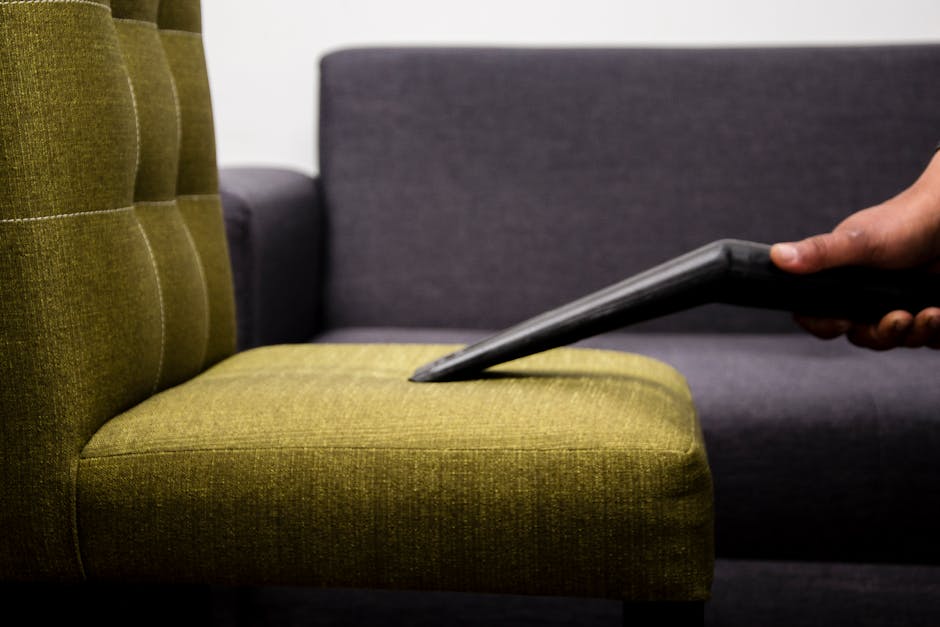
Deep upholstery cleaning normally starts with inspection. A proper cleaner will look at the fabric type, colour fastness, construction, age, and visible marks before touching anything. That matters because a velvet armchair, a cotton blend sofa, and a synthetic office chair all react differently to moisture and chemicals. One method does not suit all, annoying as that can be when you just want the thing cleaned.
In most cases, the process follows a simple sequence:
- Pre-inspection and fibre identification.
- Dry vacuuming to remove loose dust, crumbs, and hair.
- Spot treatment for stains or problem areas.
- Application of suitable cleaning solution.
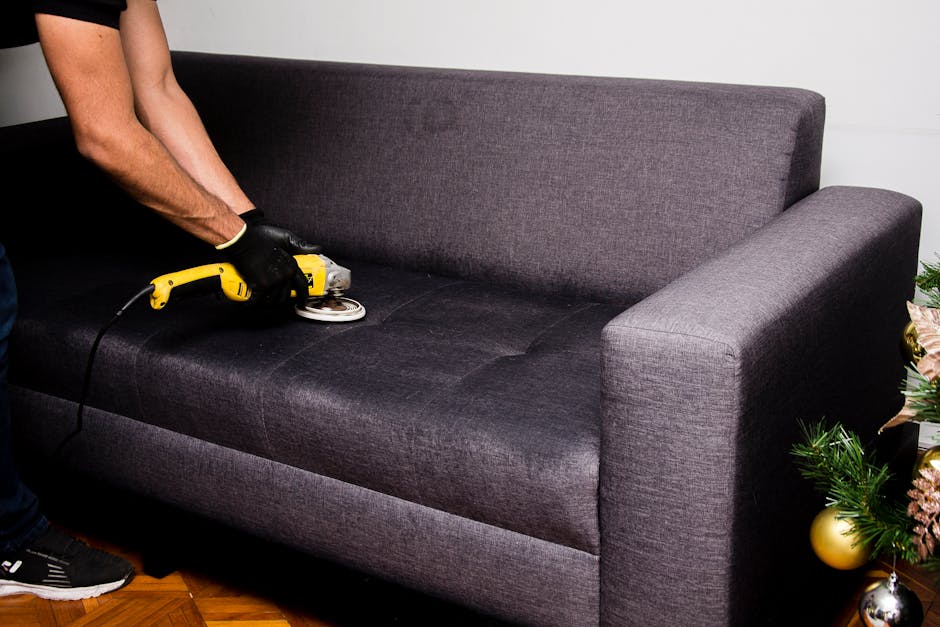
- Agitation or gentle working-in of the solution.
- Extraction, wiping, or controlled rinsing depending on the fabric.
- Final grooming and drying advice.
Some fabrics can handle a wetter deep-cleaning method, while delicate textiles may need low-moisture or specialist care. The important thing is control. You do not want fabric that feels clean but takes ages to dry or ends up with tide marks around the edges.
From a pricing perspective, the method can change the job size. A straightforward synthetic sofa may take less time than a multi-seat suite with textured fabric, removable cushions, and old stains that need extra attention. If the cleaner also has to deal with pet odour, grease, or a stubborn drink mark, the quote may rise because the process becomes more involved. For furniture that has both visible staining and lingering smells, a page like pet stain and odour removal gives useful context on why those jobs are often priced differently.
And yes, drying time is part of the service, even if people do not always think about it. A good clean should leave the item fresh, not soggy. That is a big difference.
Key benefits and practical advantages
People usually ask about cost first, but the real question is what you get for the money. A deep upholstery clean can deliver a few very solid benefits.
- Better appearance: faded greyness, body oils, and surface grime often lift noticeably.
- Improved freshness: fabric can smell cleaner, which makes the whole room feel better.
- Longer furniture life: removing abrasive dirt can help reduce wear on fibres.
- More comfortable living space: cleaner seating just feels nicer to use.
- Better support for allergy management: while not a medical treatment, removing dust and debris can help reduce build-up in soft furnishings.
There is a less glamorous benefit too: you may avoid replacing furniture too soon. A good sofa is expensive, and in a Highbury flat where space is tight, replacing something bulky can be a headache. If the frame and fabric are still in good shape, a deep clean often makes much more sense than starting from scratch.
Another upside is that professional cleaning can often be tailored to the item. Not every chair needs the same approach. A dining bench with a synthetic surface may need a different clean from a tufted armchair with deeper pile and stitching where dirt hides. Small detail, big difference.
Who this is for and when it makes sense
Deep upholstery cleaning makes sense for anyone whose furniture looks tired, smells stale, or has visible marks that do not lift with simple home cleaning. But there are some situations where it is especially worth considering.
- Busy households: children, pets, and everyday use create fast build-up.
- Rental homes: if you want the place looking smart before a tenancy changeover.
- Homeowners preparing for guests: sometimes the sofa is the first thing people see.
- Property managers and landlords: used furniture often needs a reset between occupiers.
- Small offices or studios: reception seating and waiting areas collect wear quickly.
It also makes sense if you have tried cleaning a mark yourself and made it worse. That happens more often than people admit. A bit of soap, a bit of scrubbing, and suddenly the patch is larger than before. We have all had that moment of optimism followed by a quiet sigh. Professional cleaning is usually the better move once a stain has settled.
If you are already comparing fabric care options, you might also want to look at mattress cleaning or rug cleaning for other soft furnishings in the same home. It can be more efficient to tackle several items in one visit.
Step-by-step guidance
If you are trying to understand what you are paying for, this is the simplest way to think about a deep upholstery clean from start to finish.
- Identify the item: note whether it is a sofa, armchair, dining chair, footstool, ottoman, or bench.
- Check the fabric: if you know the material, share it. If not, a good cleaner can usually assess it.
- List the issues: general dirt, pet hair, food stains, drink marks, odour, or traffic wear.
- Request a quote: ask for a clear price based on the item and the condition.
- Ask how the clean will be done: wet cleaning, low-moisture cleaning, stain treatment, or a mix.
- Prepare the room: clear small items, fragile decorations, and anything blocking access.
- Confirm drying advice: find out how long to keep the area ventilated and whether cushions should be rotated.
The more accurate the information you provide, the more reliable the quote. A photo helps a lot. So does a quick note about any past cleaning attempts. If a stain was treated with a supermarket spray six months ago, that can affect the result, sometimes in ways you would never guess.
One very practical point: ask whether the quote includes pre-treatment and post-clean inspection. That is often where the difference between a decent clean and a really good one shows up. The cleaner who spends a little longer on the prep usually delivers a better finish. Not always, but often enough.
Expert tips for better results
Here is where people can save money without cutting corners. The best savings usually come from preparation, timing, and choosing the right scope of work, not from chasing the lowest headline price.
- Be specific about the problem: "general freshen-up" and "pet urine odour in one cushion" are very different jobs.
- Group items where possible: cleaning several pieces in one visit can sometimes be more efficient.
- Vacuum beforehand if you can: it reduces loose debris and helps the deep clean focus on embedded dirt.
- Test the room conditions: open a window if weather allows, especially on cooler days when drying can be slower.
- Ask about fabric protection: not always necessary, but useful for high-use furniture.
- Do not hide stains: a cleaner cannot quote properly if they do not know what they are dealing with.
One more thing: if you have a delicate or antique piece, say so early. A slightly cautious approach is not a bad thing. In fact, it is the sensible thing. The wrong solution on the wrong fabric can be a costly lesson, and nobody needs that sort of excitement.
If sustainability matters to you, you may also appreciate the company's approach to recycling and sustainability. It is a small detail, but many customers do prefer a cleaner that thinks beyond the immediate job.
Common mistakes to avoid
Most bad upholstery cleaning experiences come from a few avoidable mistakes. The good news is that once you know them, they are easy enough to sidestep.
- Choosing only on price: the cheapest quote can become expensive if the result is poor.
- Using too much water at home: overwetting can leave marks, smell, or long drying times.
- Rubbing stains aggressively: that often pushes the mark deeper into the fibres.
- Ignoring fabric instructions: some textiles need gentle treatment, not heavy extraction.
- Not checking access: tight staircases, parking, and lift access can affect the visit.
- Leaving odours untreated: removing the stain alone does not always remove the smell.
Another mistake is assuming all upholstery can be treated the same way as carpet. It cannot. Upholstery is shaped, stitched, cushioned, and often mixed-fabric. That means a smarter method is needed. A sofa is not just a larger chair, and a chair is not just a tiny sofa. Obvious, maybe, but easy to forget when you are staring at a coffee stain before breakfast.
If damage, colour loss, or fibre weakness is already present, ask the cleaner to explain the risk before work begins. Good professionals are careful with expectations. That caution is a strength, not a weakness.
Tools, resources and recommendations
To judge whether a deep upholstery clean is good value, it helps to know the kind of things professionals typically use and what they are for.
| Tool or method | What it does | Why it matters |
|---|---|---|
| Vacuum extraction | Removes loose dust, crumbs, and pet hair | Prepares the fabric for deeper cleaning |
| Fabric-safe pre-spray | Loosens embedded dirt and oils | Improves cleaning performance without harsh scrubbing |
| Spot treatment | Targets stains such as drink marks or food spills | Helps deal with problem areas separately |
| Controlled moisture application | Cleans without soaking the fabric | Reduces drying time and patch risk |
| Odour treatment | Addresses lingering smells | Useful for pets, spills, and older furniture |
As a customer, you do not need to know every product name. What matters is whether the cleaner can explain the method in plain English. If the explanation sounds vague or rushed, that is often a bad sign. You want someone who can tell you why they are using a particular process and what the likely result will be.
For furniture-related jobs, related services like stain removal and steam carpet cleaning may be useful to compare if you are dealing with the wider room as well, though upholstery usually needs its own method. It is a different beast, really.
Law, compliance, standards, or best practice
Upholstery cleaning is not usually a heavily regulated consumer service in the way some trades are, but good practice still matters. In the UK, reputable cleaners should work in line with sensible health and safety principles, use appropriate products, and give clear advice where risks exist. That means care around electrical items, damp floors, access routes, and chemical handling.
For domestic customers, the most relevant standards are often practical rather than formal. A good cleaner should:
- identify obvious fabric risks before starting;
- avoid using harsh methods on delicate materials;
- communicate drying times honestly;
- protect surrounding surfaces and furniture where needed;
- carry appropriate insurance and work safely in occupied homes.
If you want reassurance before booking, it is reasonable to check a company's insurance and safety information, along with its health and safety policy. You should also understand how payments are handled, which is why payment and security can be a useful page to review.
From a consumer point of view, clear terms, fair communication, and a straightforward complaints process are all signs of a company that takes its work seriously. Nothing fancy. Just basic professionalism, which goes a long way when someone is working in your living room with hoses, bottles, and a rather determined machine.
Options, methods, or comparison table
Not every upholstery job needs the same level of intervention. Here is a simple comparison of common approaches, which may help you understand where the price differences come from.
| Method | Best for | Typical strengths | Possible drawbacks |
|---|---|---|---|
| Light surface refresh | Low-soil, maintenance cleans | Quick, often lower cost | May not remove deep dirt or odours |
| Deep wet clean / extraction | Most standard sofas and chairs | Thorough and effective on embedded grime | Needs proper drying and fabric suitability |
| Low-moisture cleaning | Delicate fabrics or faster drying needs | Gentler and often less invasive | May be less powerful on heavy staining |
| Targeted stain and odour treatment | Specific problem areas | Focused on visible marks or smells | Often added on to a base clean |
So, what should you expect to pay? In practice, prices usually reflect the method, the item size, and the amount of work needed. A smaller armchair with light dirt is generally cheaper than a large corner sofa with deep staining and pet odour. That sounds obvious, but people often ask for "a sofa clean" as if all sofas were built the same. They are not, and the quote tends to reflect that.
If you are only cleaning one piece, the per-item cost may feel higher than expected. But if the result is noticeably better and the furniture lasts longer, the spend can be justified. Fair price, fair outcome. That is the balance most people are looking for.
Case study or real-world example
Imagine a two-seat sofa in a Highbury flat that has picked up everyday wear: a little body oil on the arms, dust in the seams, and a faint food smell after months of family use. It still looks fine from across the room, but up close it tells a different story. The owner asks for a quote and sends a couple of photos.
The cleaner sees that the fabric is synthetic and in decent condition, but there are visible traffic marks and one older drink stain on a seat cushion. The job is likely to need pre-treatment, careful extraction, and extra attention around the stained area. That means the quote is higher than a basic refresh, but not as high as a heavily soiled or delicate fabric job.
On the day, the cleaner vacuums thoroughly, treats the arm areas first, then works on the cushion marks. The sofa is left looking brighter, smelling fresher, and feeling more comfortable to sit on. Not brand-new, because let's be honest, cleaning cannot time-travel, but definitely improved in a way the homeowner notices immediately.
That is the real point of deep upholstery cleaning. You are not buying magic. You are paying for expertise, care, and a process that gets you a better result than DIY wiping ever could.
Practical checklist
Use this quick checklist before you book:
- Identify the item type and how many pieces need cleaning.
- Note the fabric if you know it.
- List stains, odours, pet issues, or heavy wear.
- Take clear photos in good daylight.
- Ask whether pre-treatment is included.
- Confirm whether drying advice is provided.
- Check if the quote is per item or for the whole job.
- Ask about access, parking, and any setup requirements.
- Review terms, insurance, and payment details.
- Decide whether you want related items cleaned at the same time.
One simple habit helps a lot: keep a note of when the furniture was last cleaned. It sounds minor, but when a cleaner asks, you will be glad you remember. And if you do not, no judgment. Most people do not.
Conclusion
So, how much does deep upholstery cleaning cost in Highbury? The most honest answer is that the price depends on the item, fabric, condition, and whether extra treatment is needed for stains or odours. A good quote should be clear, specific, and based on the actual work involved, not a vague guess.
If you focus on value rather than just the lowest number, you are far more likely to end up with upholstery that looks better, smells fresher, and stays in good condition for longer. That is the kind of result that feels worth it when you sit down at the end of the day and the sofa actually feels inviting again.
If you are comparing options now, it may help to review the available pricing and quotes information and the main upholstery cleaning service page so you can judge what level of clean best suits your furniture and budget.
Get a free quote today and see how much you can save.
Sometimes the best home upgrade is not new furniture at all. It is simply giving the good one a proper fresh start.
Frequently Asked Questions
How much does deep upholstery cleaning cost in Highbury for a sofa?
The price usually depends on the sofa size, fabric type, and condition. A small sofa with light soil is generally cheaper than a large sectional or one with stains and odour. The best way to get a fair figure is to request an item-specific quote.
Is deep upholstery cleaning more expensive than a standard clean?
Yes, usually. Deep cleaning takes longer and often involves pre-treatment, careful extraction, and more detailed work on stains or built-up grime. You are paying for a more thorough process, not just a quick freshen-up.
What affects the price the most?
The main factors are the size of the item, the fabric, the level of soiling, stain severity, odour issues, and access. Delicate fabrics or heavily used furniture can push the price up because they need more care.
Can all upholstery fabrics be deep cleaned?
Not always in the same way. Some fabrics need low-moisture or specialist treatment, while others can handle a fuller wet clean. A good cleaner should inspect the item first and explain the safest approach.
Will deep cleaning remove old stains?
It may improve them significantly, but not every stain can be removed completely. Age, fabric type, previous DIY attempts, and the stain source all matter. It is better to ask for an honest expectation than a guarantee nobody can safely make.
How long does upholstery take to dry?
Drying time varies by method, fabric, ventilation, and room temperature. Some items dry fairly quickly, while thicker cushions or low-ventilation rooms take longer. A cleaner should give you practical drying guidance after the job.
Is it worth cleaning a sofa that looks only slightly dirty?
Often, yes. Upholstery can hold body oils, dust, and invisible build-up long before it looks obviously dirty. A deep clean can improve freshness and help the furniture last longer, which is handy if the sofa is still in good shape.
Can I clean upholstery myself instead?
You can do light maintenance yourself, but deep cleaning is more technical than it looks. Overwetting, using the wrong product, or scrubbing too hard can damage fabric or leave marks. For anything valuable, delicate, or badly stained, professional cleaning is usually the safer choice.
Should I clean my sofa and carpet at the same time?
That can be efficient if both need attention. Cleaning multiple items in one visit may save time and give the room a more complete refresh. If you are considering this, a look at carpet cleaning can help you plan the scope.
What should I ask before booking?
Ask what is included in the price, how they handle stains and odours, whether the quote is fixed, how long drying may take, and whether the cleaner is insured. Clear answers are usually a good sign.
Do pet smells need special treatment?
Often, yes. Pet odour can sink deeper into cushions and foam than a standard surface clean can reach. If that is the issue, ask about targeted pet stain odour removal rather than assuming a basic clean will solve it.
How do I know if the quote is good value?
Look at the detail, not just the number. A good quote should explain the item count, the cleaning method, any stain treatment, and what happens if access is awkward. If the quote is vague, the value is hard to judge.